
Trans Inclusion in Sport
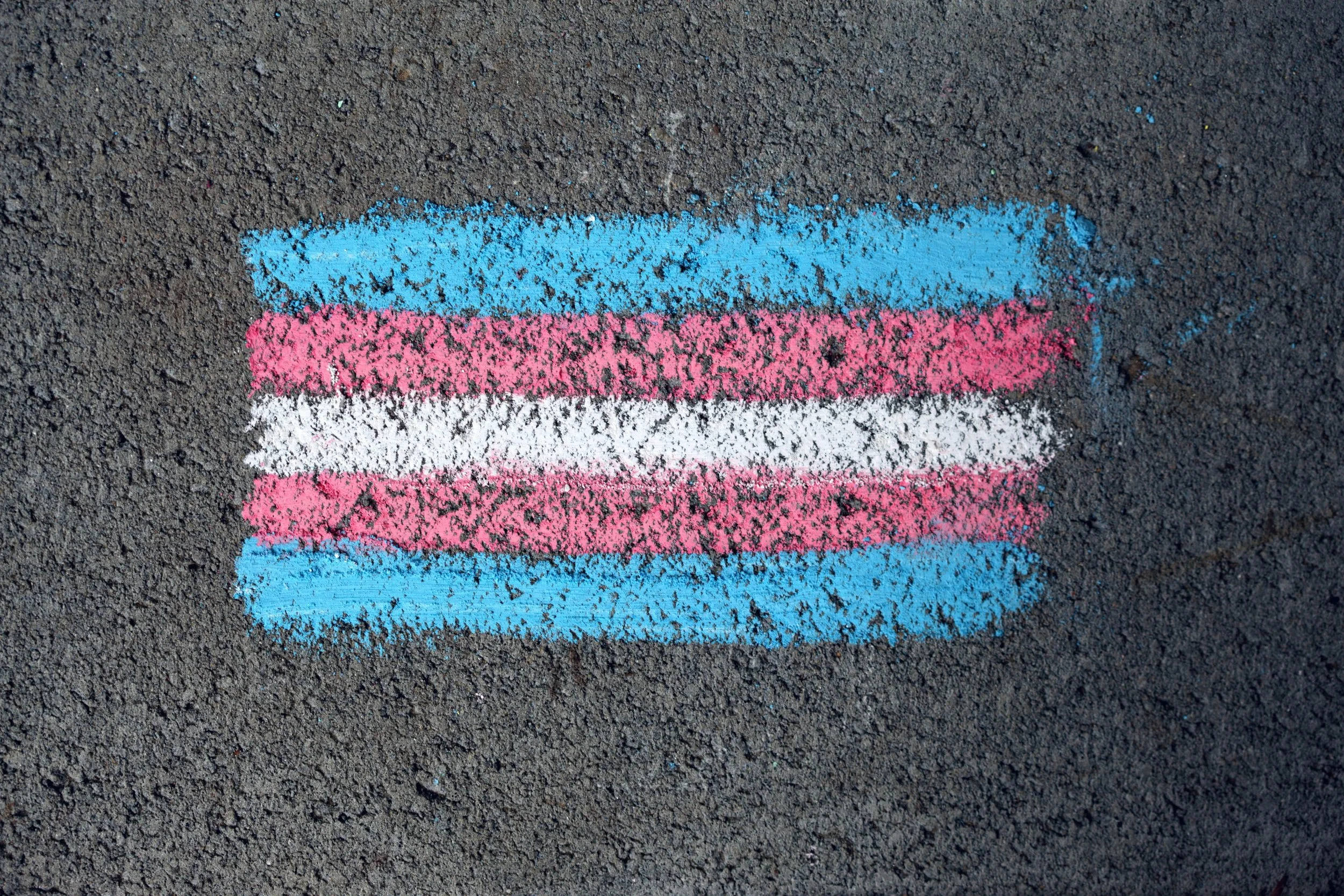
Sport is one of the great unifiers. It brings people together across age, culture, and background. From Saturday morning park runs to Olympic finals, it can create moments of connection and joy that stay with us for a lifetime.
For many, sport is more than just competition. It’s friendship, health, community, and a way to feel part of something bigger. But for transgender people, stepping onto a pitch, track, or court can also mean stepping into a minefield of judgement, misunderstanding, and at times outright hostility.
The debate about trans inclusion in sport has been growing louder in recent years. Headlines often focus on whether trans women should compete in women’s categories, and the topic can become deeply polarising. But to move forward, it’s important to understand why people object – and why it’s just as important to ensure trans people feel safe, included, and represented.
Why People Object
Concerns about trans inclusion in sport are often rooted in the question of fairness. In competitive sport, fairness is a cornerstone principle - everyone should have an equal chance to succeed based on skill, effort, and dedication.
Some of the main reasons people raise objections include:
Perceived Physical Advantages
People assigned male at birth may, before transitioning, develop physical characteristics such as greater muscle mass, bone density, or lung capacity. Even after hormone therapy, some believe these factors could provide an advantage in certain sports.Integrity of Competition
For some athletes and governing bodies, maintaining a “level playing field” is key. They worry that including trans women in women’s sport might compromise this balance.Inconsistent Policies
There is no single global rule for trans inclusion in sport. Each sport – and sometimes each country – has its own criteria. This can create confusion and mistrust.
Some objections come from misinformation or prejudice, others stem from genuinely held beliefs about fairness. If we want progress, these concerns can’t simply be dismissed – they need to be addressed through open conversation, evidence, and empathy.
Why Inclusion Matters
In the heat of the fairness debate, it’s easy to forget the human reality: trans people are not statistics or policies – they are people who, like everyone else, deserve the chance to take part in sport without fear, exclusion, or harassment.
For trans people, the benefits of sport go far beyond competition:
A Sense of Belonging
Joining a team, attending a local class, or simply running with a group can provide a vital sense of community. For those already facing isolation or discrimination, these spaces can be life-changing.Mental and Physical Health
Sport is proven to improve mental wellbeing, boost confidence, and support physical health. For trans people, who statistically face higher rates of anxiety and depression, access to safe sporting spaces can be a lifeline.Visibility and Representation
Seeing trans athletes participate and succeed helps challenge harmful stereotypes. It sends a message to young trans people that there is a place for them in sport – and in society.
The Real Risks of Exclusion
When trans people are pushed out of sport – whether through formal bans, hostile environments, or fear of discrimination – the consequences are real and damaging:
Loss of Support Networks
Teams and clubs often act as social lifelines. Being excluded can mean losing friends, mentors, and a sense of community.Declining Health
Without safe, welcoming access to sport, many trans people may miss out on the physical and mental health benefits that others take for granted.Reinforcing Stigma
Exclusion sends a wider message that trans people don’t belong. This fuels prejudice, increases social isolation, and can contribute to worse mental health outcomes.
Finding the Balance
It’s possible to value both fairness and inclusion, ensuring no one is excluded from participation altogether.
Some approaches being explored include:
Clear, evidence-based eligibility criteria for competitive events.
“Open” or “mixed” categories in some sports.
Grassroots, recreational spaces where the focus is on participation and enjoyment rather than competition.
These solutions aren’t perfect, and they won’t please everyone. But they show that compromise and creativity are possible when we start from a place of respect and empathy.
A Call for Respect
The conversation about trans people in sport will continue – and it should. Science, policy, and society all evolve over time, and sport must evolve with them.
But while the debate plays out, one thing must remain constant: the right for everyone to participate safely and authentically. There is no reason for trans people to be excluded from local clubs, casual leagues, or fitness spaces.
Sport is more than rules, records, and results. It’s about joy, connection, challenge, and growth. It’s about being part of something bigger than yourself. That’s something no one should have to miss out on because of who they are.
At SupportU, we stand for inclusion, respect, and representation in every part of society – and that includes sport.